Flame Sensor

A flame sensor is a safety device used in industrial burners to monitor whether a flame is present during burner operation. It confirms successful ignition and ensures that combustion continues safely.

Flame sensors work by detecting light, ultraviolet radiation, or ionization signals produced by the burner flame. The sensor communicates with the burner controller to maintain safe operation.

If the flame is not detected or extinguishes unexpectedly, the burner control system shuts off the fuel supply. This safety function prevents unburned fuel buildup and reduces the risk of hazardous conditions.

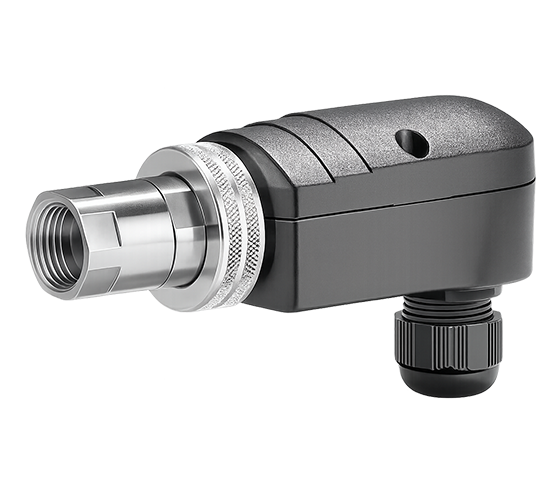
Technical Specifications

  • Device Type: Flame Detection Sensor
  • Detection Method: UV detection / ionization / photocell
  • Operating Voltage: Typically compatible with burner control systems
  • Response Time: Rapid flame detection
  • Housing Material: Heat-resistant industrial polymer or metal
  • Operating Temperature: -20°C to +85°C (typical)
  • Mounting: Burner assembly mounting
  • Compatibility: Gas burners, oil burners, dual-fuel burners
Applications / Industries Served

Applications of Flame Sensors

  • Industrial burner safety systems
  • Boilers and steam generators
  • Industrial furnaces
  • Ovens and dryers
  • Thermal processing equipment
  • Chemical and petrochemical plants
  • Food processing heating systems
  • Textile and manufacturing industries
Key Benefits / Features

Key Features of ECCS Flame Sensors

  • Reliable flame detection for burner safety
  • Prevents fuel flow during flame failure
  • Fast response to flame loss conditions
  • Compatible with multiple burner control systems
  • Durable construction for industrial environments
  • Supports safe and stable combustion operation
  • Easy installation and maintenance
  • Long operational life
×