Flame Sensing Probe

A flame sensing probe is a safety component used in gas burner systems to detect the presence of flame during operation. It works based on the ionization principle, where the flame conducts a small electrical current.

When a stable flame is present, the probe detects the ionization signal and sends confirmation to the burner controller. If the flame is lost, the control system immediately shuts off the fuel supply to prevent unsafe conditions.

Flame sensing probes are commonly installed in industrial boilers, furnaces, ovens, and other combustion systems. They provide fast and reliable flame monitoring to maintain safe and efficient burner operation.

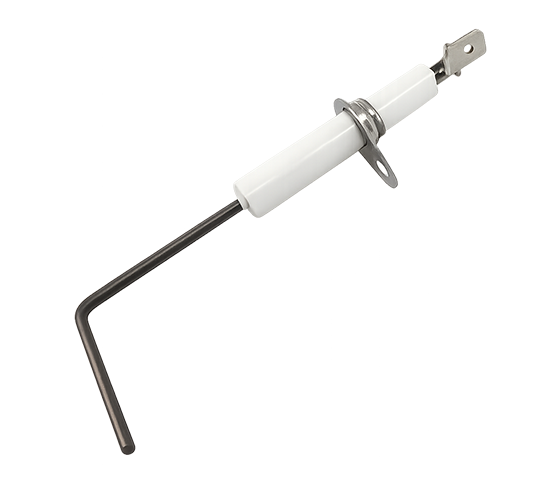
Technical Specifications

  • Device Type: Ionization Flame Sensing Probe
  • Detection Method: Flame ionization detection
  • Electrode Material: Stainless steel / heat-resistant alloy
  • Insulator Material: High-temperature ceramic
  • Operating Voltage: Typically compatible with burner control units
  • Temperature Resistance: Up to 1000°C (typical)
  • Mounting: Burner head installation
  • Compatibility: Gas burners and industrial combustion systems
Applications / Industries Served

Applications of Flame Sensing Probes

  • Industrial gas burner systems
  • Boilers and steam generators
  • Industrial furnaces
  • Ovens and dryers
  • Thermal processing equipment
  • Chemical and petrochemical plants
  • Food processing heating systems
  • Textile and manufacturing industries
Key Benefits / Features

Key Features of ECCS Flame Sensing Probes

  • Reliable flame detection using ionization principle
  • Ensures safe burner shutdown during flame failure
  • High temperature resistance for combustion environments
  • Fast response for burner safety systems
  • Durable ceramic insulation for electrical safety
  • Compatible with most burner control units
  • Easy installation and replacement
  • Long service life in industrial applications
×